October 10, 2026
The Missing Piece in Physical AI Is Trust
By Brandon Torres Declet
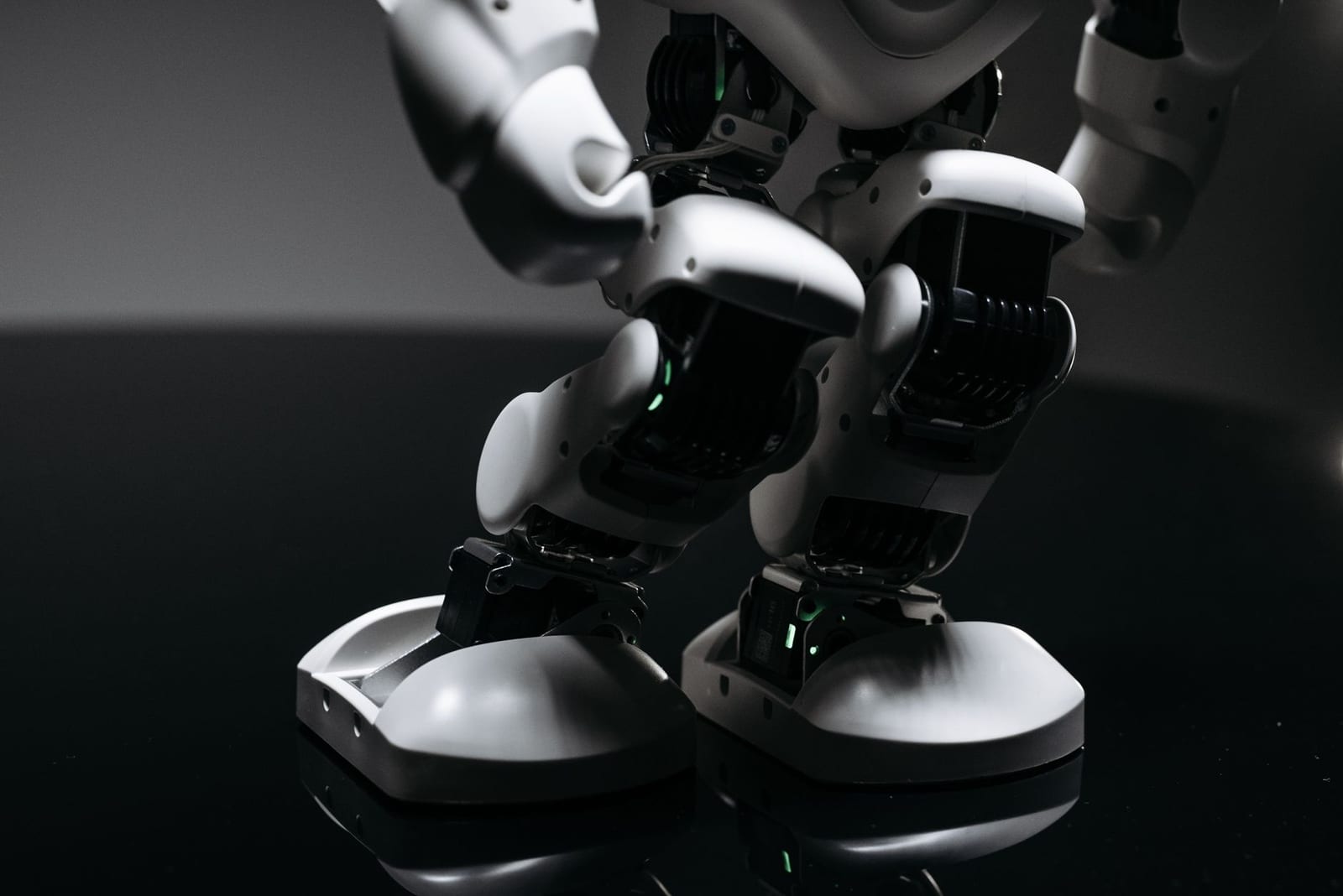
For the last several years, much of the conversation around artificial intelligence has focused on intelligence itself. We ask what a system can understand, how quickly it can process information, and whether it can make increasingly complex decisions without constant human direction. In robotics, those questions become even more interesting because intelligence is no longer confined to a screen. It can move through the physical world, interact with its surroundings, and perform real work.
I have spent much of my career around drones, robotics, autonomous systems, and emerging technology. As these systems become more capable, I think we are approaching another important challenge that has received less attention. If a machine can independently perform a task, businesses still need a reliable way to determine whether it completed that task as expected.
Imagine sending an autonomous robot into an industrial facility to complete an inspection. The robot reports that it followed the assigned route, inspected the required equipment, and collected the necessary information. That may be sufficient for some applications, but it becomes more complicated when another business, insurer, regulator, or customer depends on the outcome. In those situations, the robot's own report may not provide enough assurance. Credible evidence of what happened is needed.
This is why I believe verification could eventually become as important to physical AI as intelligence itself.
Physical AI Creates a Different Kind of Trust Problem
Businesses already rely heavily on software, so trust in technology is not a new issue. Physical AI changes the nature of that trust because autonomous systems can take actions in the real world. A robot might inspect infrastructure, map a building, move materials, collect information, or perform other work without a person physically accompanying it throughout the task.
When people perform this type of work, businesses have established systems for documenting what happened. Depending on the job, these records might include work orders, signatures, photographs, inspection reports, timestamps, supervisor approvals, or other documentation. These systems are not perfect, but they provide a familiar way to establish accountability between the people and organizations involved.
As machines perform more work independently, we need to think about what the equivalent system looks like for autonomous technology. A robot reporting that it completed a task is one piece of information, but a business may also need to establish where the robot went, what it observed, when the work occurred, and whether the required conditions were actually met.
This becomes particularly important when multiple organizations are involved. The company operating the robot may trust its own system, but a customer or another outside party may need evidence it can evaluate independently.
Completing Work and Proving Work Are Different Problems
One recurring pattern I have seen in emerging technology is that technical capability can develop faster than the commercial systems surrounding it. We become very good at proving something can be done before we fully understand how that capability fits into existing business relationships.
A robot, for example, may be perfectly capable of completing an inspection. The harder commercial question arises when that inspection connects to a contract, an invoice, an insurance requirement, a regulatory obligation, or a decision made by another organization.
At that point, successfully completing the task and proving it become two separate problems.
The same issue can appear across many applications. An autonomous system might complete a delivery, but another party may need confirmation that the correct item reached the correct place under the agreed conditions. A robot may map an industrial environment, but the organization relying on that map may need to know when and how it collected the underlying information. An autonomous inspection system may identify a problem, but someone making a decision based on that finding needs confidence in the record behind it.
None of this means the autonomous system failed. In fact, the robot may have performed exactly as designed. The challenge is creating enough trusted evidence around that work for other parties to rely on it.
Verification Should Be Built Around Useful Evidence
Autonomous systems already produce significant amounts of information while they operate. Depending on the machine, that information might include location, movement, sensor readings, timestamps, mission history, operating conditions, or records of specific actions.
I do not think the solution is simply to collect as much data as possible. More data does not automatically create more trust, and giving a customer thousands of sensor readings may make verification harder rather than easier. The more useful question is what evidence another party actually needs to establish that the agreed work occurred.
That will require thoughtful decisions about what information to preserve and how to present it. The data a robot needs to navigate an environment may differ greatly from the evidence a customer needs to confirm an inspection was completed. Physical AI systems may increasingly need to account for both purposes.
This distinction matters because verification should not become an unnecessary burden on every autonomous task. The goal should be to create useful evidence that matches the importance and risk of the work being performed.
Higher-Stakes Work Will Require Greater Confidence
The importance of verification becomes much clearer as autonomous systems move into environments where the consequences of a mistake are greater.
Consider a robot being used to inspect critical infrastructure. The organization relying on the inspection needs confidence that the robot did more than navigate the environment successfully. It may need to establish that the correct asset was inspected, that the required areas were covered, and that the information used to make subsequent decisions came from that specific mission.
Similar questions can arise in logistics, industrial operations, defense, insurance, construction, and other industries where autonomous machines may increasingly perform meaningful work.
The appropriate level of verification will depend on the application. A robot completing a routine, low-risk inventory task does not necessarily require the same evidence as a system inspecting infrastructure for a potential safety problem. Applying the same standard everywhere would add unnecessary complexity.
The better approach is to consider the consequences of getting the answer wrong and design verification accordingly.
Trust Will Become Part of Physical AI Infrastructure
As autonomous systems become more capable, I expect them to interact with increasingly complex business environments. A robot may perform work for one company while providing information to another. Its activity could eventually interact with business software, compliance systems, insurance requirements, contracts, or payments.
This is where the conversation about physical AI becomes larger than the machine itself. We have spent years improving perception, navigation, computing, and autonomy because robots need those capabilities to perform useful work. If autonomous systems are going to participate more deeply in commercial activity, we also need infrastructure that allows other parties to trust the work those machines perform.
I do not believe that means every action taken by every robot needs to be independently verified. That would create enormous complexity without necessarily creating meaningful value. Verification should be proportional to the task, the parties involved, and the consequences of an incorrect or disputed result.
I do believe, however, that trust cannot always be treated as something we figure out after the technology is deployed. In higher-stakes applications, we may need to consider not only the ability to demonstrate what happened, but also the ability to make the machine perform the task in the first place.
The robotics industry has spent a great deal of time asking whether autonomous machines are intelligent enough to do more work independently. That remains an important question, but it is no longer the only one. As these systems become part of real businesses and real transactions, we also have to determine how people and organizations can confidently rely on their work.
Physical AI needs intelligence to act independently. If we want autonomous systems to play a larger role in the economy, they will also need something equally important: a foundation for trust.